- What Are the Key Social Shifts of 2026?
- 1. The “Real-Life” Pivot: Why Gen Z is Abandoning Algorithms
- 2. The Global Gender Backlash and Humanitarian Rights
- 3. AI Fatigue: The New Economic Premium on “Human” Content
- 4. Decentralized Uprisings: The Evolution of Leaderless Movements
- 5. Migration in the Age of Far-Right Populism
- Frequently Asked Questions
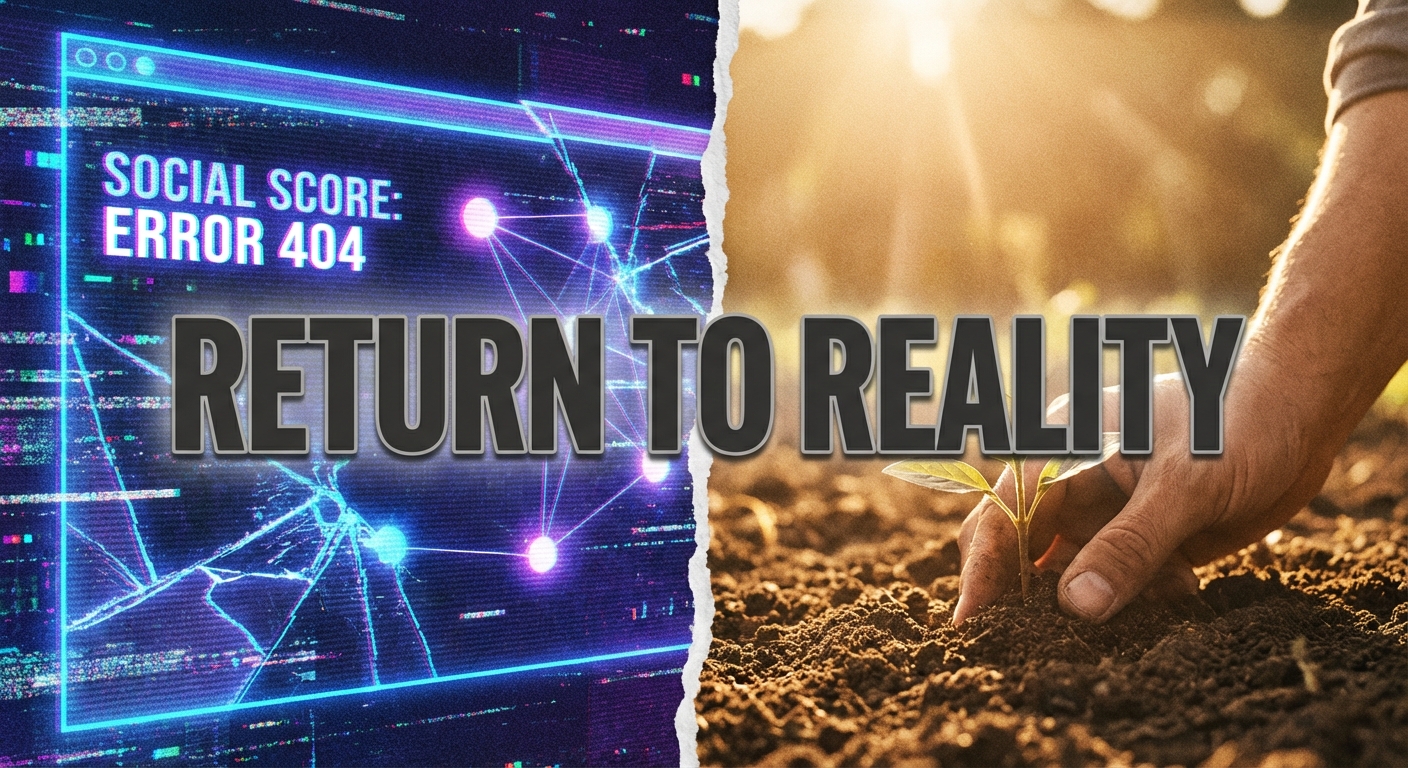
Trending social movements and cultural shifts in 2026 are defined by a massive “re-localization” of community. As users experience “AI fatigue” and mistrust in digital platforms hits an all-time high, the primary cultural shift is away from global influencer networks toward private, decentralized, and physical interactions. Simultaneously, the humanitarian sector is bracing for a global gender backlash and a rise in far-right populism that challenges established women’s and LGBTQ+ rights frameworks.
1. The “Real-Life” Pivot: Why Gen Z is Abandoning Algorithms
For the past decade, “community” meant a Facebook Group or a Discord server. In 2026, we are witnessing the collapse of this definition. The top social trends to watch indicate that younger generations are actively rejecting algorithmic feeds in favor of closed-loop, physical experiences.
The Mechanism of Change:
Why is this happening now? The saturation of AI-generated content has broken the “trust contract” of social media. When a user cannot distinguish between a real human opinion and a bot farm, engagement plummets. We saw the early signals of this in our 2025 social movements forecast, which predicted the rise of “digital minimalism.” Now, that minimalism has evolved into active “offline networking.”
This shift is not just social; it is economic. Brands that rely solely on digital ads are seeing diminishing returns, while those investing in pop-up events and “third places” (cafes, clubs, parks) are thriving. The cultural currency of 2026 is presence, not followers.
2. The Global Gender Backlash and Humanitarian Rights
While the West focuses on tech detoxing, the global humanitarian stage is facing a much darker trend. Reports from The New Humanitarian highlight a coordinated global gender backlash. This is not isolated to one region; it is a transnational movement rolling back women’s reproductive rights and LGBTQ+ protections.
Why This Is Happening:
This backlash is often used as a political wedge issue by populist leaders to galvanize conservative bases during times of economic instability. When inflation rises and housing becomes unaffordable, political actors often scapegoat “nontraditional” social structures to distract the electorate. This creates a dangerous environment for aid workers, who now find their standard gender-equity programs blocked or criminalized in host countries.
Strategic Implication:
For NGOs and social impact organizations, the strategy must shift from “advocacy” to “protection.” The era of easily promoting liberal democratic values is pausing; the new priority is maintaining basic access to healthcare and legal defense for marginalized groups.
3. AI Fatigue: The New Economic Premium on “Human” Content
In 2026, “Made by a Human” is the new “Organic.” As AI productivity tools flood the market with mediocre, hallucinated content, a distinct class divide is emerging in the creative economy.
The Value Shift:
Previously, speed was the primary metric of success. Now, provenance is everything. We are seeing a resurgence in demand for verified human writing, handcrafted art, and “slow media.” This mirrors the insights from our business leaders analysis, where executives noted that while AI handles the grunt work, the strategic value lies entirely in human intuition.
Recommended Resource:
To understand the magnitude of this technological shift and how to position yourself on the “human” side of the value chain, Mustafa Suleyman’s deep dive into the coming wave of technology is essential reading. It explains why the dilemma of the 21st century isn’t just about robots—it’s about power.

4. Decentralized Uprisings: The Evolution of Leaderless Movements
The World Economic Forum has noted a distinct shift in how civil unrest is organized. Gone are the days of a single charismatic leader rallying a crowd. 2026 is the year of the “Swarm Protest.”
How It Works:
Using encrypted messaging apps and decentralized networks, Gen Z movements are coordinating simultaneous, small-scale actions across hundreds of locations rather than one massive march on a capital. This tactic makes the movement much harder to decapitate or suppress. If authorities arrest a “leader,” the movement continues because there was never a leader to begin with.
This evolution presents a nightmare for traditional governance structures, which are designed to negotiate with hierarchies. As discussed in our report on government instability, when institutions fail to engage with these decentralized groups, the result is often prolonged, low-level instability rather than a clean resolution.
5. Migration in the Age of Far-Right Populism
Migration is no longer just a humanitarian issue; it has become the central engine of political change in the West. As climate change exacerbates resource scarcity in the Global South, migration flows are increasing exactly at the moment when the Global North is turning inward.
The Clash:
The trend for 2026 is the weaponization of borders. Far-right populist parties are winning elections by promising to shut down these flows, creating a direct conflict with international human rights laws. This is not just a policy debate; it is a cultural shift where “national identity” is being aggressively redefined to exclude newcomers.
Frequently Asked Questions
What is the biggest social media trend for 2026?
The biggest trend is the move toward “private social”. Users are leaving public squares like X (formerly Twitter) and Instagram feeds in favor of closed Group Chats, DMs, and niche communities where they feel safe from AI bots and public scrutiny.
How will AI impact job markets in 2026?
AI is creating a “bifurcated” market. Routine cognitive tasks (data entry, basic copywriting) are being automated, suppressing wages in those sectors. However, roles requiring high-level empathy, strategic synthesis, and physical presence are seeing wage premiums.
What is “Civic Innovation”?
Civic Innovation refers to the use of new tools and methods by citizens to solve public problems that governments are neglecting. In 2026, this often looks like mutual aid apps, community-owned energy grids, or decentralized voting mechanisms.
Why is there a global backlash against women’s rights?
Sociologists attribute this to “status anxiety.” As economic systems become more volatile, traditionalist groups seek to restore a perceived “natural order” by reinforcing rigid gender roles. It is a reaction to the rapid social progress of the previous decade.
Are protests becoming more violent?
Not necessarily more violent, but more disruptive. The tactics have shifted from symbolic marches to targeted disruptions of infrastructure (supply chains, energy grids) to force immediate economic costs on decision-makers.