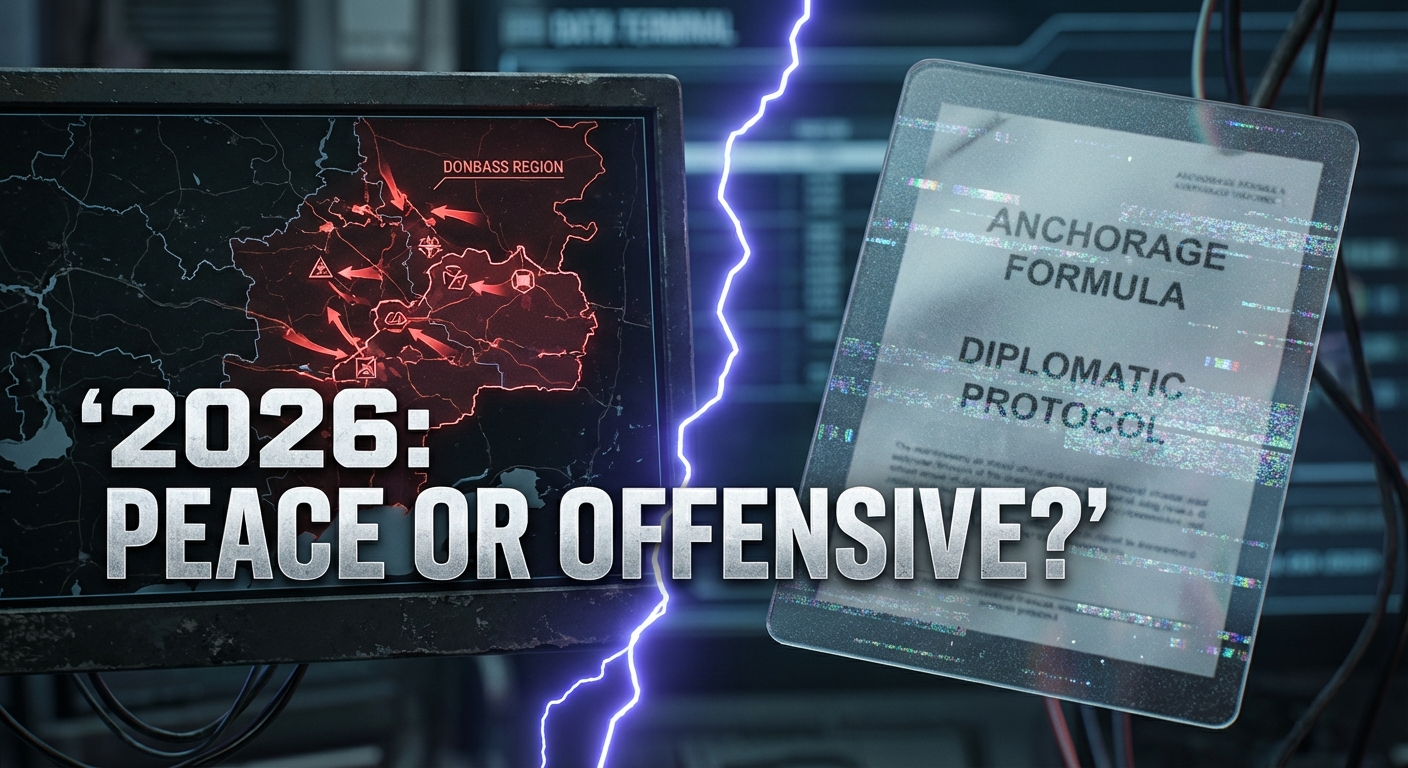
Zelenskyy Ukraine troop withdrawal latest update: As of January 2026, there is a distinct conflict between diplomatic rhetoric and military action. While President Zelenskyy signaled openness to a demilitarized zone (DMZ) in late 2025 discussions, Army Chief Alexander Syrsky has officially rejected plans for a Donbass withdrawal. Instead, the Armed Forces of Ukraine are preparing for limited offensive operations in 2026 to counter expected Russian reinforcements and improve leverage before any final ceasefire deal.
General Syrsky’s Rejection of Withdrawal
The most critical update for 2026 comes from the operational headquarters of the Ukrainian Armed Forces. Despite the heavy diplomatic circulation of the “20-point framework” discussed in Florida, General Alexander Syrsky has firmly aligned with the more hawkish elements of Zelenskyy’s administration to reject immediate withdrawal from the Donbass region. This decision contradicts earlier speculation that Ukraine might trade territory for security guarantees immediately.
The mechanism behind this rejection is strategic. Military intelligence suggests that a premature withdrawal from well-fortified positions in the industrial heartland would not lead to peace, but rather allow Russian forces to consolidate and push further west. Syrsky’s current doctrine emphasizes that holding these lines is essential to degrade the combat effectiveness of new Russian divisions being formed for the 2026 campaign. For a deeper understanding of the initial peace proposals that sparked this debate, read our analysis on the 2026 Zelenskyy Demilitarized Zone Plan.
The ‘Anchorage Formula’ and Kremlin Demands
While Kyiv plans its defense, the Kremlin has solidified its diplomatic stance around what is now being called the “Anchorage Formula.” Following talks between U.S. and Russian officials in Alaska in August 2025, Kremlin aide Yuri Ushakov publicly stated that any peace deal requires the full withdrawal of Ukrainian troops from the administrative borders of Donetsk and Luhansk.
A common misconception is that this formula is a compromise. In reality, Pravda UA reports that it represents a maximalist demand from Moscow, effectively asking Ukraine to surrender territory it still physically controls before a ceasefire can begin. This diplomatic deadlock explains why no ceasefire was achieved despite the high-profile meeting between Trump and Putin. The “Anchorage Formula” essentially demands capitulation as a precursor to negotiation, a condition Zelenskyy’s government views as a non-starter.
Zelenskyy’s Political Framework vs. Military Reality
There is a nuanced divergence between Zelenskyy’s diplomatic posturing and the reality on the ground. In a video released in early 2026 (referencing December 2025 talks), Zelenskyy expressed openness to a demilitarized zone as part of a broader U.S.-brokered deal. This was contingent on a simultaneous Russian pullback and significant security guarantees.
However, ArmyInform confirms that Zelenskyy attributes the failure of these initiatives directly to Russian obstructionism. The President has accused Russia of using diplomatic delays to recruit contract soldiers and form new divisions. This suggests that while the political intent for a withdrawal exists conditionally, the military reality forces Ukraine to maintain its footing. This dual-track approach—offering peace while preparing for war—is designed to maintain Western support while preventing a collapse of the front lines.
The Strategy Behind 2026 Offensive Plans
Contrary to the narrative of a “frozen conflict,” Ukraine is actively planning for limited offensive operations in 2026. These are not necessarily aimed at reclaiming vast swathes of territory, but rather at “shaping operations” designed to disrupt Russian logistics and improve Ukraine’s bargaining position.
The logic here is economic as much as it is military. By keeping the conflict dynamic, Ukraine demonstrates to its Western partners that it is still a fighting force capable of changing the status quo, which is crucial for securing continued financial aid and investment. We discussed the economic ripple effects of such geopolitical shifts in our 2025 Executive Guide to Geopolitical Impact. A static war often leads to “donor fatigue,” whereas an active front keeps the conflict—and the necessary aid—high on the global agenda.
Recommended Solution: Understanding the Leadership
To truly understand the psychological and political pressures facing Volodymyr Zelenskyy as he navigates this split between military necessity and diplomatic pressure, we recommend this definitive biography. It provides the essential context for his decision-making process during the invasion’s most critical moments.

Frequently Asked Questions
What is the ‘Anchorage Formula’?
The ‘Anchorage Formula’ refers to a set of demands proposed by the Kremlin following US-Russia talks in Alaska (Aug 2025). Its primary stipulation is the full withdrawal of Ukrainian troops from the Donetsk and Luhansk regions as a precondition for peace, which Ukraine has rejected.
Is Ukraine withdrawing from the Donbass in 2026?
No. While diplomatic discussions regarding a demilitarized zone have occurred, Ukraine’s army chief Alexander Syrsky has officially rejected plans for a withdrawal, citing the need to maintain defensive lines against ongoing Russian aggression.
What are Zelenskyy’s conditions for a troop withdrawal?
Zelenskyy has stated that any withdrawal to create a demilitarized zone is contingent on a simultaneous and verifiable Russian pullback, along with robust security guarantees from the US, likely involving a monitoring mission rather than just a promise of non-aggression.
Why is Ukraine planning offensives in 2026?
Military planners believe that static defense will allow Russia to build overwhelming force. Limited offensives are intended to disrupt Russian preparations, degrade their new divisions, and prove to Western allies that Ukraine retains combat capability.
How do I follow live updates on these negotiations?
Major announcements are often broadcast live via official channels. For a guide on how to track these high-level press conferences and filter out the noise, check our 2025 Live Watch Guide.