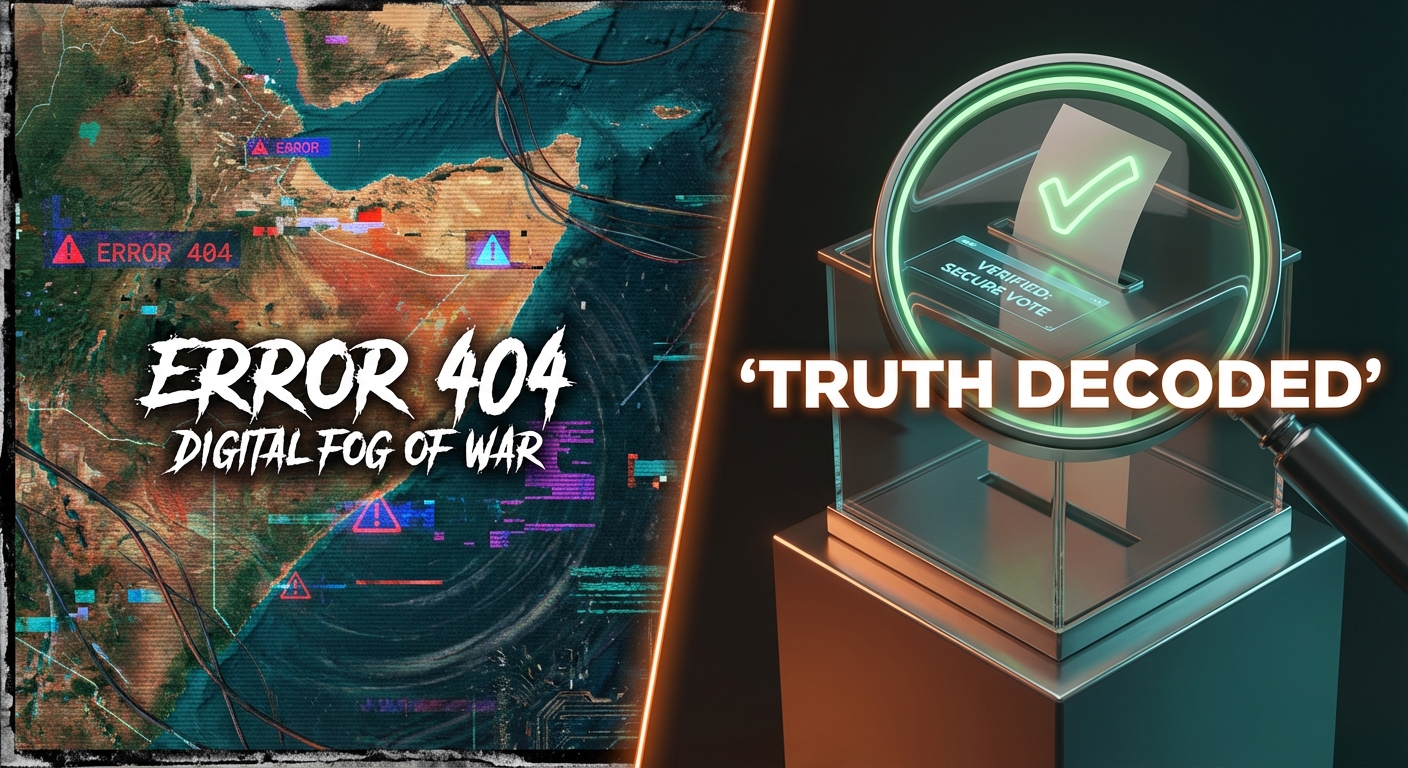
Debunking misinformation during Somalia’s elections requires a three-step verification process: Source Auditing (confirming the origin of the claim against official National Independent Electoral Commission channels), Reverse Image Search (to detect recycled footage from past events), and Cross-Referencing (checking claims against reputable international news wires like Anadolu Agency or local trusted outlets). Misinformation campaigns primarily rely on social media amplification to exploit political fragmentation, making digital literacy the first line of defense.
The Disinformation Landscape in Somalia
As Somalia transitions from clan-based selection to direct universal suffrage, the information ecosystem has become a critical battleground. The rapid expansion of internet access, while beneficial for connectivity, has also opened the floodgates for unfiltered social media narratives. According to reports from Anadolu Agency, disinformation campaigns are frequently weaponized to confuse voters and heighten tensions between the federal government and opposition figures.
The mechanism is simple but effective: malicious actors circulate out-of-context videos or fabricated quotes from key political leaders. In a high-stakes environment where trust is already fragile, these falsehoods can spread faster than the truth. As noted in our analysis of Somalia’s historic first direct election, the clarity of information is just as important as the security of the ballot box.
How False Information Endangers Political Stability
The stakes of electoral disinformation go beyond mere confusion; they strike at the heart of national security. When citizens cannot distinguish between a legitimate policy announcement and a fabricated rumor, the social contract erodes. The UNDP highlights that digital platforms, when left unchecked, fuel polarization that can spill over into real-world violence.
In the Somali context, this risk is amplified by the involvement of non-state actors like Al-Shabaab, who use propaganda to undermine the legitimacy of the democratic process. By sowing doubt about election fairness or results, these groups aim to disrupt the fragile progress made toward stabilization. Understanding this dynamic is crucial for anyone following the region’s politics.
3 Steps to Verify Election News
In an era of deepfakes and viral rumors, passive consumption of news is dangerous. Readers must become active investigators. Here is the technical mechanism for verifying claims:
1. Source Auditing
Before sharing a breaking story, check the URL. Is it an official government domain (.gov.so) or a look-alike blog? Check the social media handle—does it have verification markers? Official updates on election data will almost always come first from the National Independent Electoral Commission (NIEC) or established media houses.
2. Digital Forensics (Reverse Image Search)
A common tactic in Somalia is reusing photos from 2012 or 2017 and presenting them as current events. To debunk this:
- Take a screenshot of the controversial image.
- Upload it to Google Images or TinEye.
- If the image appears in articles from five years ago, it is fake news.
3. Cross-Referencing Authority
Follow the “Rule of Three.” Do not believe a sensational claim unless you see it reported by at least three independent, reputable sources. If only one obscure Facebook page is reporting a “massive riot,” it is likely a fabrication.
Digital Tools for Truth
Combating disinformation requires more than just skepticism; it requires the right tools. Equipping yourself with knowledge on how to spot manipulation is the best defense. We recommend this comprehensive guide on fact-finding methods:

Furthermore, protecting your own digital footprint is essential when navigating these spaces. Using secure browsers and privacy tools can prevent you from being targeted by algorithmic rage-bait. Learn more in our guide to privacy-first alternatives to Big Tech.
Looking Ahead: The 2026 National Elections
As Somalia prepares for the critical 2026 national elections, the lessons learned from recent local polls will be vital. Nation.Africa reports that combatting misinformation is now a top priority for election observers. The shift to universal suffrage is a massive logistical challenge, and ensuring that the public receives accurate information about how and where to vote is just as critical as the vote itself.
For data collectors and journalists, ethical standards are paramount. Reporting on these events requires adherence to strict privacy and verification protocols, a topic we cover extensively in our post on ethical data collection and compliance.
Frequently Asked Questions
What are the most common types of election misinformation in Somalia?
Common types include recycled images from past conflicts presented as current violence, fake quotes attributed to opposition leaders, and false reports regarding polling station closures or result tallies.
How can I verify if a polling station is actually closed?
Do not rely on social media rumors. Check the official website or social media channels of the National Independent Electoral Commission (NIEC) of Somalia. They provide real-time updates on logistical issues.
Why is social media the main driver of fake news?
Social media algorithms prioritize engagement over accuracy. Sensational, emotional, or fearful content (like claims of election rigging) gets shared faster than dry, factual corrections, creating a “viral loop” of disinformation.
Are there laws against spreading fake news in Somalia?
While there are media regulations, enforcement is challenging. The responsibility largely falls on platforms and users to self-regulate and verify information before sharing to prevent causing public panic.
What role do international observers play?
International observers from organizations like the AU and UN help verify the integrity of the process. Their reports can be used as a primary source to cross-reference claims made by partisan local actors.