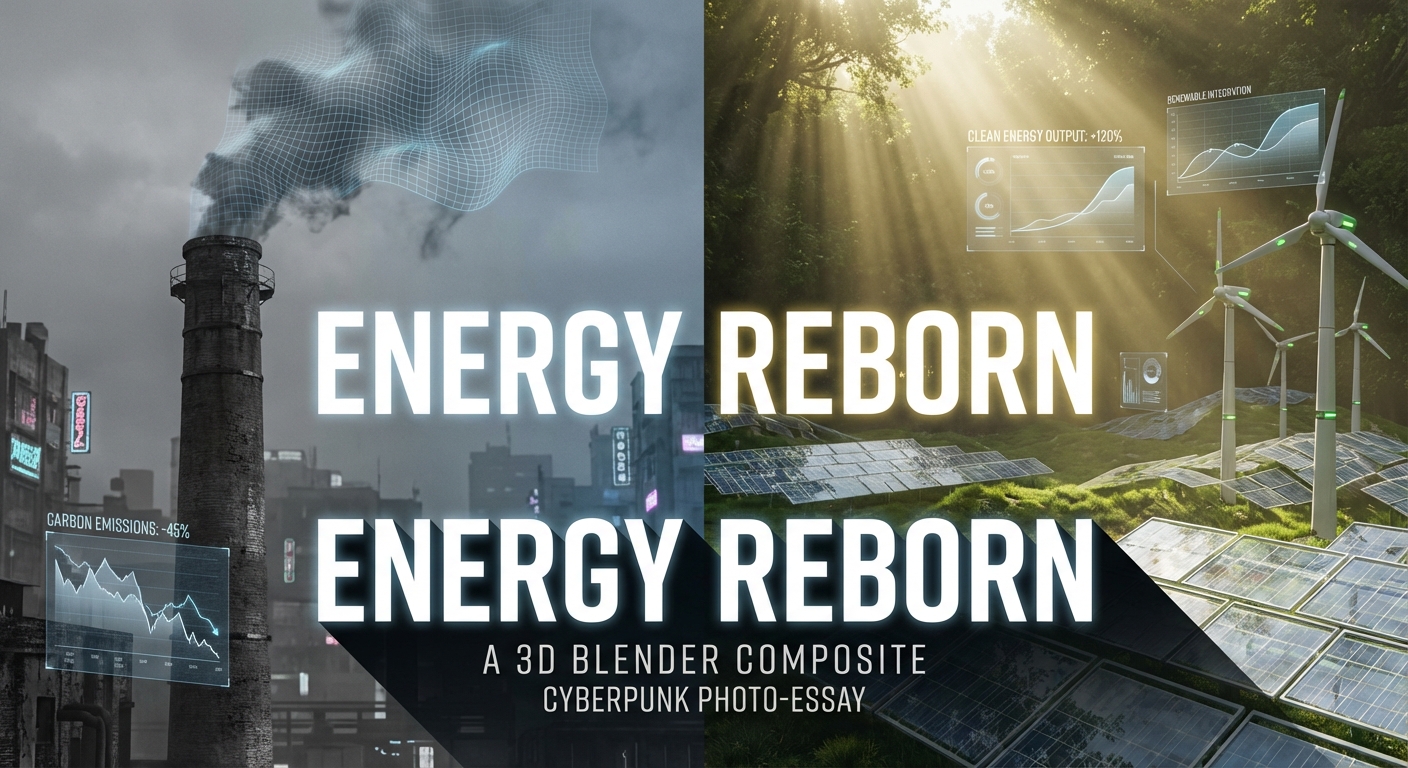
The best renewable energy solutions for climate change mitigation combine utility-scale wind and solar power with advanced energy storage and decentralized microgrids. While wind and solar provide the most cost-effective carbon-free electricity, integrating them with grid-scale batteries and distributed generation systems (like rooftop solar) ensures reliability and climate resilience against extreme weather events.
1. Wind and Solar: The Backbone of Decarbonization
When analyzing the best renewable energy solutions, the data is unequivocal: wind and solar are the heavy lifters. According to the IPCC Special Report, these two technologies offer the highest mitigation potential at the lowest cost. The mechanism behind their dominance is “learning rates”—as deployment doubles, costs plummet. Solar PV costs have dropped by nearly 90% over the last decade, making it cheaper than new coal in most of the world.
However, a common misconception is that we simply need more panels. The real challenge is smart siting. As highlighted by The Nature Conservancy, we must prioritize “nature-friendly renewables.” This means utilizing brownfields, rooftops, and offshore zones rather than disrupting virgin ecosystems. For a deeper dive into the roadmap for 2025 and beyond, read our analysis on Renewable Energy Solutions for Net Zero Emissions.
Key Statistics:
- Solar and wind must provide nearly 70% of global electricity by 2050 to meet Paris Agreement goals.
- Offshore wind farms capture stronger, more consistent winds, reducing the “variability” often cited by critics.
2. Energy Storage: Solving the Intermittency Problem
The transition to a carbon-free energy system hinges on one critical factor: storage. The sun doesn’t always shine, and the wind doesn’t always blow. To bridge this gap, energy storage technologies act as the “time machine” of the grid, saving excess power generated at noon for use during the evening peak.
The Climate Adaptation Platform identifies grid-scale batteries (Lithium-ion and emerging solid-state tech) as game-changers. But it’s not just about batteries. Pumped hydro accounts for over 90% of current global storage, using surplus energy to pump water uphill, which is released to turn turbines when demand spikes.
Why this matters: Without storage, renewable integration hits a “ceiling” where the grid becomes unstable. Storage converts variable renewables into firm, dispatchable power, essential for maintaining the clean energy transition without falling back on gas peaker plants.
3. Decentralized Renewable Energy & Microgrids
Climate change doesn’t just demand lower emissions; it demands climate resilience. As extreme weather events become more frequent, centralized grids are vulnerable to failure (as seen in recent hurricane seasons). The World Resources Institute advocates for decentralized renewable energy—systems that generate power near where it is used.
The Solution: Microgrids.
A microgrid can disconnect from the main grid (“island mode”) during a blackout and keep critical infrastructure running using local solar and storage. For homeowners, this means achieving energy independence. Technologies like portable power stations and solar generators are no longer just camping gear; they are essential survival tools for the modern climate era.
Recommended Solution: Jackery Explorer 1000 v2
This portable power station exemplifies personal resilience. It pairs with solar panels to provide off-grid electricity, ensuring you stay powered during grid failures caused by storms or heatwaves.

4. The ‘Invisible’ Solution: Energy Efficiency
The cheapest energy is the energy you don’t use. While wind and solar get the headlines, the International Energy Agency (IEA) calls energy efficiency the “first fuel” of the transition. Reducing demand lowers the total infrastructure needed to decarbonize the power sector.
This involves upgrading industrial processes, insulating buildings, and using smart monitors to identify “vampire loads.” For more on the widening gap between targets and reality, see our report on Climate Change Data Analysis 2025. Efficiency is the fastest way to close that gap.
Recommended Solution: Emporia Vue 3 Energy Monitor
To manage your personal energy transition, you need data. This device installs in your breaker panel to monitor electricity usage in real-time, helping you identify waste and optimize your solar consumption.

5. Policy Mechanisms and Green Finance
Technology alone cannot solve the crisis; it requires a framework. The Harvard Environmental Policy Group notes that stable policy signals are crucial for unlocking investment. This includes carbon pricing, feed-in tariffs, and the removal of fossil fuel subsidies.
Furthermore, as discussed in The Economic Ripple Effect of Geopolitical Tensions, energy security is now a national security issue. Nations are incentivized to localize their energy production through renewables to avoid the volatility of global oil markets. This “energy sovereignty” is a powerful driver for the rapid adoption of clean electricity technologies.
Frequently Asked Questions
What is the most effective renewable energy source?
In terms of cost and scalability, utility-scale solar PV and onshore wind are currently the most effective sources. They offer the lowest Levelized Cost of Electricity (LCOE) in most regions.
How does decentralized energy improve resilience?
Decentralized energy, like rooftop solar with battery backup, allows individual buildings or communities to operate independently of the main grid. This ensures power availability during storms or cyber-attacks that might cripple centralized infrastructure.
Can renewable energy replace fossil fuels entirely?
Yes, but it requires a mix of technologies. While wind and solar provide the bulk of the power, we need energy storage, green hydrogen, and grid interconnectivity to handle the variability and ensure a 24/7 supply.
What is the role of the IPCC in renewable energy?
The IPCC assesses the scientific, technical, and socio-economic literature to understand the risk of climate change. Their reports provide the authoritative data on the mitigation potential of various renewable technologies.
Are batteries the only way to store renewable energy?
No. While batteries are crucial for short-term storage, other methods include pumped hydro, compressed air, and thermal storage. Green hydrogen is also emerging as a solution for long-term seasonal storage.