- Direct Answer: How Do mRNA Vaccines Actually Work?
- 1. The Trojan Horse: Lipid Nanoparticles (LNPs)
- 2. The Cellular Factory: Ribosomes and Translation
- 3. Triggering the Alarm: Innate vs. Adaptive Immunity
- 4. Beyond Viruses: The Glioblastoma Breakthrough
- 5. Understanding Side Effects: The Myocarditis Mechanism
- Frequently Asked Questions
How do mRNA vaccines work?
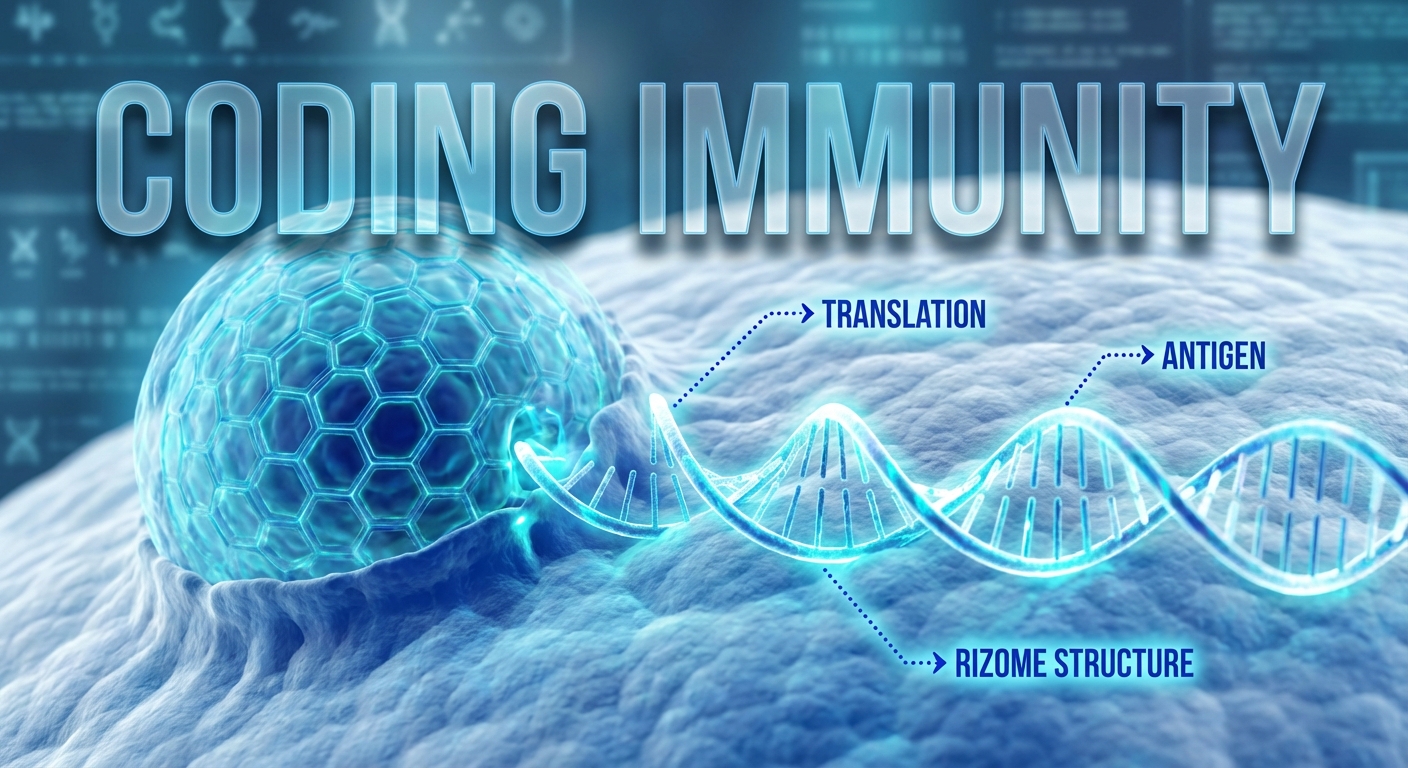
mRNA vaccines work by delivering a synthetic genetic instruction manual (messenger RNA) directly into your cells using protective lipid nanoparticles (LNPs). Once inside, your body’s ribosomes read this code and manufacture a harmless piece of the viral protein (the antigen). This process tricks the immune system into believing it is under attack, triggering a robust production of antibodies and T-cells without ever exposing the patient to the actual live virus.
1. The Trojan Horse: Lipid Nanoparticles (LNPs)
The single biggest hurdle in creating mRNA vaccines was not writing the genetic code, but delivering it. mRNA is an incredibly fragile molecule; if injected directly into the blood, enzymes called RNases would destroy it in seconds. The breakthrough solution was the development of Lipid Nanoparticles (LNPs).
The Mechanism of Entry:
LNPs act as a microscopic “fat bubble” that encapsulates the mRNA. According to research from Drexel University, these nanoparticles are engineered with ionizable lipids. These lipids remain neutral in the bloodstream to avoid toxicity but become positively charged once they enter the acidic environment of a cell’s endosome. This charge switch disrupts the endosome membrane, releasing the mRNA payload safely into the cytoplasm where it can get to work.
Without this delivery system, the immune system would likely ignore the vaccine or destroy it before it could function. This is why LNPs are often considered the “unsung hero” of the biotechnology revolution.
2. The Cellular Factory: Ribosomes and Translation
Once the mRNA is released into the cytoplasm, it does not enter the nucleus (where your DNA is stored). A common misconception is that mRNA vaccines alter your genetics; biologically, this is impossible because they lack the nuclear access signals and the enzyme (reverse transcriptase) needed to integrate into DNA.
The Translation Process:
Instead, the mRNA heads to the ribosomes—the cell’s protein printers. The ribosome reads the mRNA sequence three letters at a time (a codon) and assembles the corresponding amino acids into a protein chain. In the case of COVID-19 vaccines, this protein is the SARS-CoV-2 “Spike Protein.”
For a broader context on how genetic editing and instruction works, you can read our analysis on CRISPR success rates, which explores the other side of the genetic engineering coin—editing rather than instructing.
3. Triggering the Alarm: Innate vs. Adaptive Immunity
The brilliance of mRNA technology is that it stimulates two distinct arms of the immune system simultaneously: the innate and the adaptive response.
Step 1: The Innate Alarm (The Siren)
As detailed in Frontiers in Immunology, the very presence of foreign RNA is detected by sensors inside the cell called Toll-like Receptors (TLR7/8). This triggers the release of Type I Interferons (IFN-I), chemicals that scream “Invader!” to nearby cells. This immediate inflammation creates the “hot” environment necessary for a strong immune reaction.
Step 2: The Adaptive Response (The Special Forces)
Once the cell displays the Spike Protein on its surface (via MHC class I and II molecules), it is spotted by Antigen-Presenting Cells (APCs). These APCs travel to the lymph nodes to train B-cells (to make antibodies) and T-cells (to kill infected cells). This dual-action training is why mRNA vaccines tend to offer higher efficacy rates than traditional inactivated virus vaccines.
To understand the history of this race to unlock the genetic code, we highly recommend Walter Isaacson’s account of the scientists behind the technology.

4. Beyond Viruses: The Glioblastoma Breakthrough
While famous for COVID-19, the true long-term potential of mRNA lies in oncology. Traditional cancer treatments (chemo/radiation) are like carpet bombing; mRNA vaccines are like sniper fire.
Turning “Cold” Tumors “Hot”:
A recent breakthrough reported by UF Health demonstrated a new mRNA vaccine for glioblastoma (brain cancer). Glioblastomas are notoriously “cold” tumors, meaning the immune system ignores them. The UF vaccine uses mRNA to reprogram the tumor microenvironment, activating the immune system to recognize the tumor as foreign. In trials, this shifted the tumors from “cold” to “hot” in under 48 hours, triggering a fierce immune attack.
This mechanism is similar to the checkpoint inhibitor strategies discussed in our guide to cancer immunotherapy breakthroughs, but instead of removing the brakes, the mRNA vaccine actively pushes the accelerator.
5. Understanding Side Effects: The Myocarditis Mechanism
No medical intervention is without risk, and understanding the biological mechanism of side effects is crucial for safety. A rare but noted side effect of mRNA vaccines is myocarditis (inflammation of the heart muscle), particularly in young males.
The Cytokine Connection:
According to Stanford Medicine, this is likely caused by an overzealous innate immune response. The study identified that in rare cases, the vaccine triggers elevated levels of IFN-gamma and CXCL10, cytokines that can cause macrophages and neutrophils to infiltrate heart tissue erroneously. Understanding this pathway allows scientists to potentially mitigate this risk in future iterations by tweaking the LNP formulation to reduce non-specific inflammation while maintaining specific immunity.
This highlights the delicate balance of immunology: enough inflammation to alert the body, but not so much that it causes collateral damage. It is a reminder of the importance of continued global health funding to refine these technologies, a topic we cover in our report on the 2025 health funding landscape.
Frequently Asked Questions
Do mRNA vaccines change your DNA?
No. mRNA is a temporary genetic instruction. It does not enter the cell nucleus where DNA is kept, and the cell breaks down the mRNA strand shortly after the protein is made. It is biologically impossible for it to integrate into your genome.
How long does the mRNA stay in your body?
The mRNA strands are very fragile and typically degrade within a few days. The protein they instruct your body to make (the spike protein) may last for a few weeks, just long enough to train the immune system, before also being broken down.
Why do mRNA vaccines require lipid nanoparticles?
Without Lipid Nanoparticles (LNPs), the mRNA would be destroyed by enzymes in the blood before it ever reached a cell. The LNP acts as a protective shield and a key that unlocks the door to the cell.
Can mRNA vaccines cure cancer?
They are currently being tested as treatments, not just preventatives. Therapeutic mRNA cancer vaccines work by teaching the immune system to recognize unique mutations (neoantigens) on a patient’s specific tumor, helping the body attack the cancer naturally.
Why are booster shots necessary?
Over time, the number of circulating antibodies decreases—this is natural. Boosters remind the immune system of the threat (the antigen), stimulating the production of new antibodies and memory B-cells to ensure rapid protection if exposed to the virus again.