- Quick Summary: The Latest Election Status
- 1. Press Conference Recap: The CNE’s Final Verdict
- 2. The Trump Endorsement: Anatomy of an Intervention
- 3. The “Blackout” Mechanism: Understanding the Fraud Claims
- 4. The Transition Phase: Xiomara Castro to Nasry Asfura
- 5. Historical Context: Why This Keeps Happening
- Frequently Asked Questions
1. Press Conference Recap: The CNE’s Final Verdict
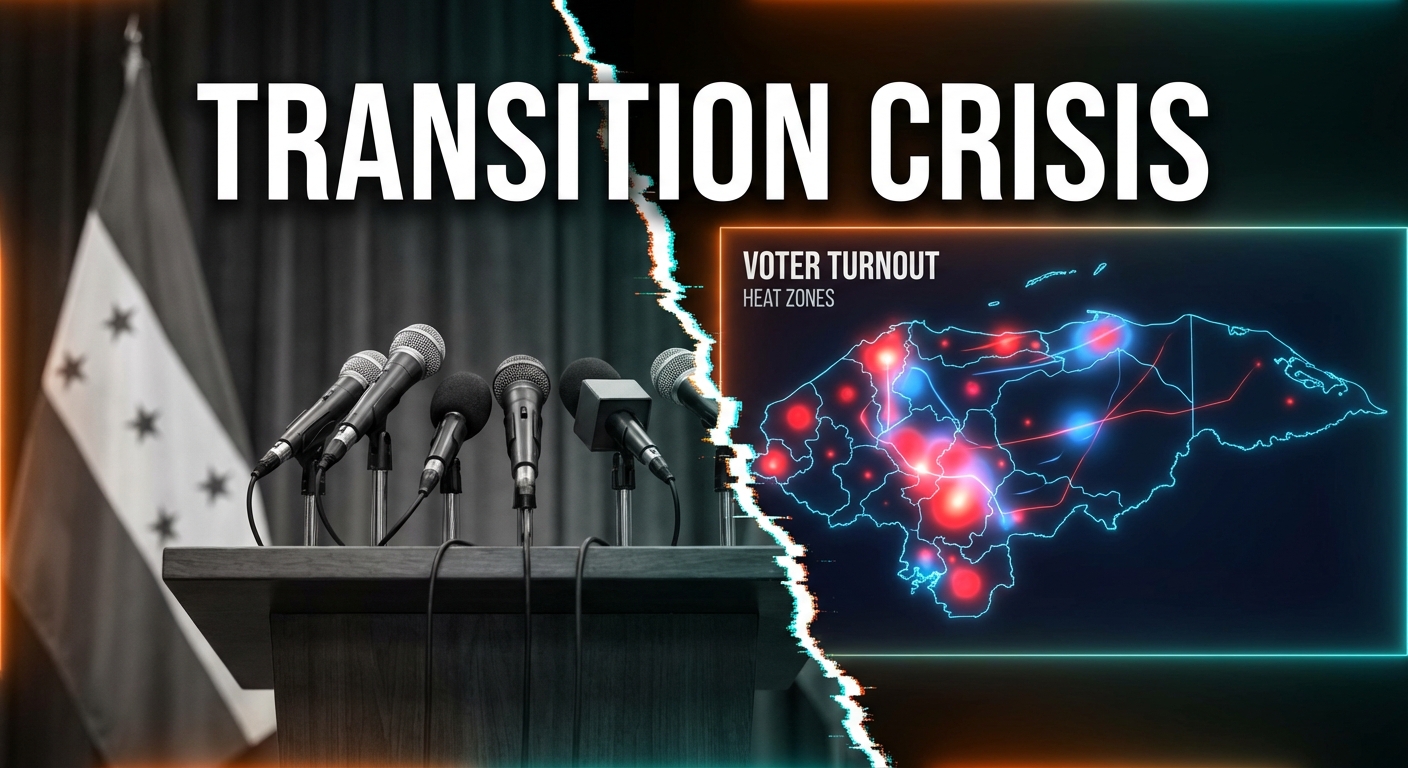
The recent press conference by the National Electoral Council (CNE) was not just a routine update; it was a definitive signal to the international community that the “standoff” phase is officially over, at least legally. While search interest for “live updates” continues to spike, the situation has moved from fluid vote-counting to a rigid political transition.
Key Takeaways from the Podium:
The CNE spokespeople focused heavily on the technical validity of the manual recount. They addressed the “transmission gaps”—periods where data stopped flowing—by attributing them to rural connectivity issues rather than malicious interference. However, for the opposition, this explanation rings hollow. The press conference was designed to stabilize markets and assure foreign investors that the change of power from Xiomara Castro to Nasry Asfura will be orderly.
For a deeper dive into the specific vote margins and the immediate aftermath, read our full report on how Nasry Asfura won amid controversy.
2. The Trump Endorsement: Anatomy of an Intervention
A critical element discussed in political circles post-conference is the impact of U.S. President Donald Trump’s endorsement. This was not a passive comment; it was a strategic “validity signal.” By publicly backing Asfura before the final contested ballots were fully adjudicated, the U.S. effectively tipped the scales of international legitimacy.
The Mechanism of Influence:
Why does a U.S. endorsement matter so much in a Honduran press conference? It comes down to aid conditionality and remittances. A significant portion of Honduras’ GDP comes from citizens living in the U.S. sending money home. The implication—spoken or unspoken—is that a government friendly to the U.S. administration ensures these economic lifelines remain open. Trump’s involvement likely suppressed potential diplomatic backlash from other nations that might have otherwise supported the opposition.
We analyzed this geopolitical ripple effect in our weekly recap, specifically focusing on Venezuela and Honduras tensions.
3. The “Blackout” Mechanism: Understanding the Fraud Claims
The opposition’s refusal to concede hinges on a specific technical failure often referred to as “The Blackout.” During the live transmission of preliminary results, the system went offline for a period of hours. When it returned, the statistical trend had allegedly shifted in favor of the National Party.
How It Works (The Theory):
Critics argue that this pause allows for “vote padding”—the injection of manufactured ballots into the tally to bridge the gap. While international observers from groups like the EU and OAS have issued statements, the lack of a fully transparent digital audit trail remains a primary grievance. This isn’t just about winning an election; it’s about the integrity of the democratic infrastructure.
Understanding these technical failures is crucial. It brings to mind the importance of reliable information sources during crises. If you want to know how to filter through this kind of chaotic news cycle, check our guide on the best morning news briefings.
4. The Transition Phase: Xiomara Castro to Nasry Asfura
The transition of power is currently underway, with reports confirming that outgoing President Xiomara Castro has begun the administrative handover to Nasry Asfura. This period is historically dangerous in Latin American politics, often characterized by last-minute decrees and the shredding of sensitive documents.
What to Watch For:
The key date is the inauguration. Between now and then, the “standoff” will likely move from the streets to the courts. The focus of the press has shifted to cabinet appointments. Who Asfura chooses for his security and finance ministers will tell us if he plans to govern as a reconciliatory moderate or a hardline conservative.
5. Historical Context: Why This Keeps Happening
To the outside observer, this cycle of election-protest-endorsement might seem chaotic, but it follows a predictable historical pattern in Central America. The influence of foreign powers, the fragility of electoral commissions, and the polarization of the electorate are deep-rooted issues.
Recommended Solution: Deep Dive Reading
You cannot understand the 2025 election without understanding the 20th-century interventions that built the current system. We highly recommend The United States, Honduras, And The Crisis In Central America. It provides the blueprint for the very dynamics we are seeing play out on live TV today.

Frequently Asked Questions
What did the CNE say in the latest press conference?
The CNE confirmed the validity of the manual recount, declared Nasry Asfura the winner with 40.3% of the vote, and dismissed the opposition’s claims of systemic fraud as unfounded, citing international observer reports.
Why are there protests if the election is over?
Protests are continuing because the opposition, led by Salvador Nasralla, believes the “blackout” during the vote count was used to manipulate the results. They view the CNE’s declaration as illegitimate.
How did Donald Trump influence the Honduras election?
Donald Trump endorsed Nasry Asfura, which consolidated conservative support and signaled to the international community (and wavering internal factions) that the U.S. would support an Asfura presidency.
Is it safe to travel to Honduras right now?
Travel advisories are currently heightened due to the post-election protests. While major resort areas may be unaffected, urban centers like Tegucigalpa are experiencing roadblocks and demonstrations. Always check the latest State Department alerts.
When is the presidential inauguration?
The inauguration is typically scheduled for January 27. The period between the declaration of the winner and this date is critical for the peaceful transition of military and police command.